
Beautiful spaces start with the right measurements.
Calculate tiles, adhesive, grout, project cost and stone requirements with simple, practical tools made for real projects.
Plan better. Buy smarter.
Practical calculators designed to take the guesswork out of tile, stone and renovation projects.
From measurement to order.
Three simple steps to get a more accurate idea of what your project actually needs.
Measure your space
Note the length and width of your floor, wall or countertop area.
Choose the right tool
Enter your measurements and let the calculator work out the quantity or estimate.
Plan your purchase
Use the result to plan your order with less waste and fewer surprises.
Find your topic.
Jump straight to the guides that match what you’re working on — from choosing tiles to caring for stone.
Quick answers.
Short, honest answers to the questions we get asked most — with links to the full guides if you want more.
Should I use tile adhesive or cement to fix tiles?
How many tiles come in one box?
How much tile adhesive do I need?
What’s the difference between vitrified and ceramic tiles?
Marble or granite — which is better for my home?
Why do tiles pop up or lift after installation?
How do I clean grout and make it white again?
Which tiles are best for a bathroom floor?
Latest articles & guides

Kajaria vs Somany: Which Tile Brand Is Better for Your Home?
Walk into almost any tile showroom in India and two names come up before you’ve even…

Top 10 Tile Adhesive Brands in India (Ranked)
The tile gets all the attention. Nobody ever asks which adhesive is under a beautiful floor,…
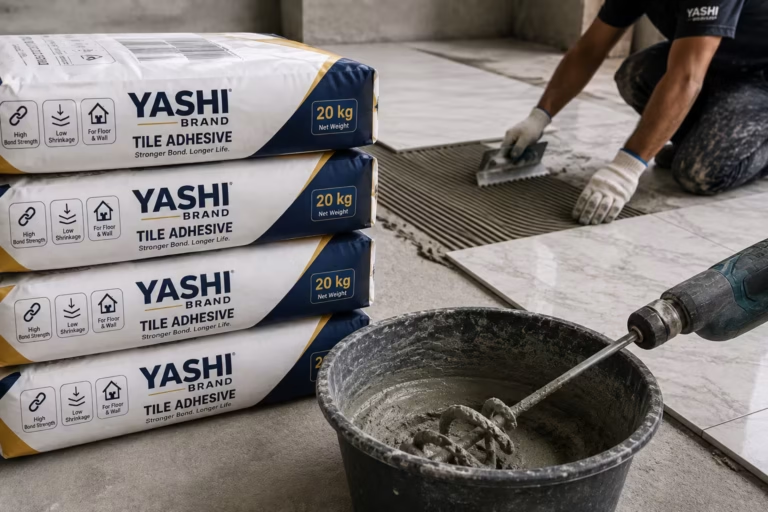
Which Tile Adhesive to Use: The Right One for Every Surface in Your Home
Here is the thing nobody tells you at the shop. There is no single “best” tile…
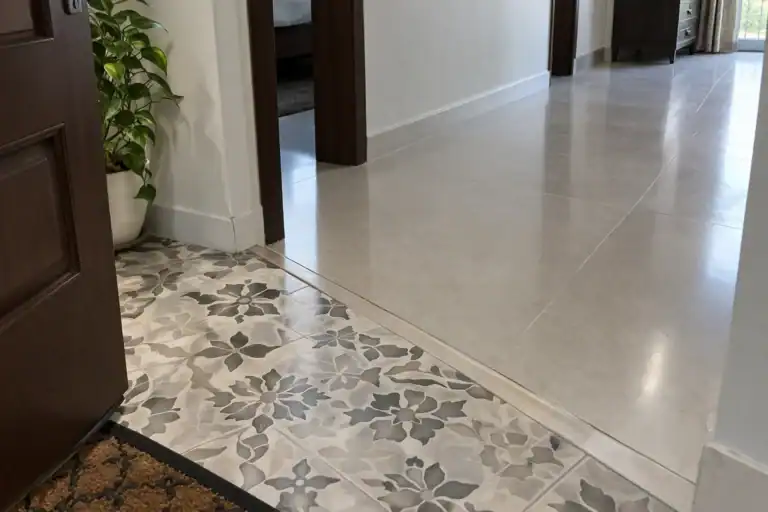
10 Porcelain Tile Flooring Ideas for Modern Homes
A floor is the one thing in your home you can’t easily change your mind about.…
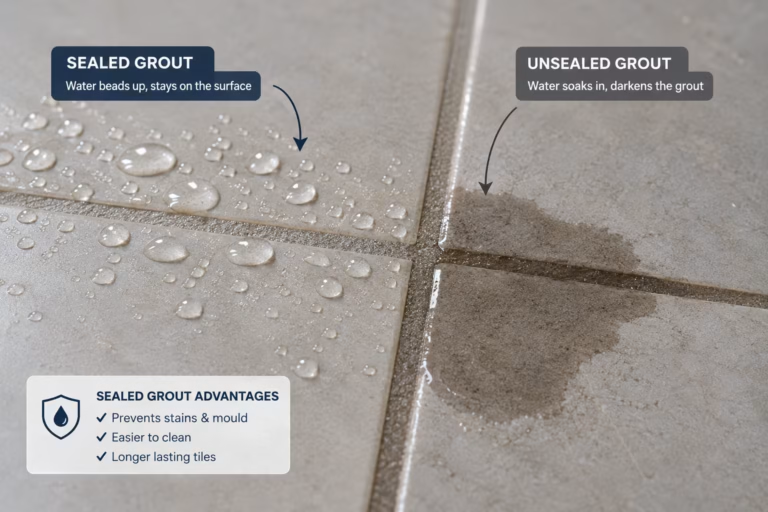
Do You Need to Seal Grout? (And How to Do It)
You’ve just had tiles laid, everything looks great, and someone — the tiler, a neighbour, a…
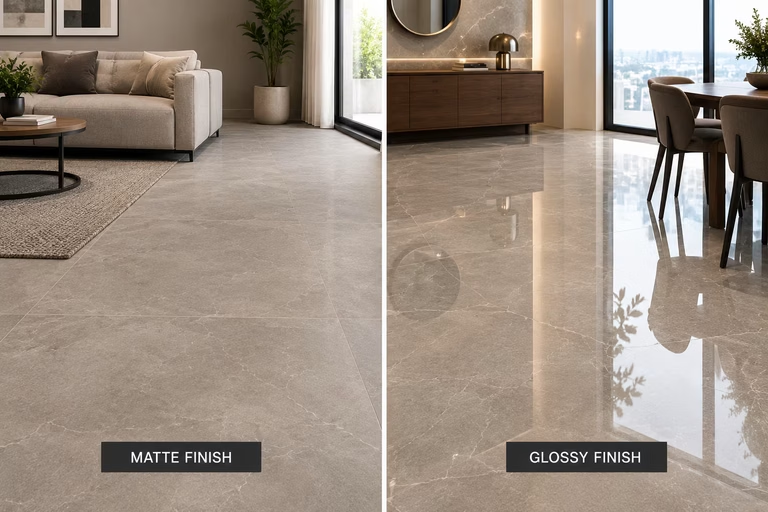
Matte vs Glossy Tiles: Which Finish Is Right for Your Home?
You’ve picked the size. You’ve picked the colour. Then the showroom guy asks one more question…
Practical tools for better spaces.
Free calculators and straightforward guides for tiles, marble and granite — without unnecessary jargon.