
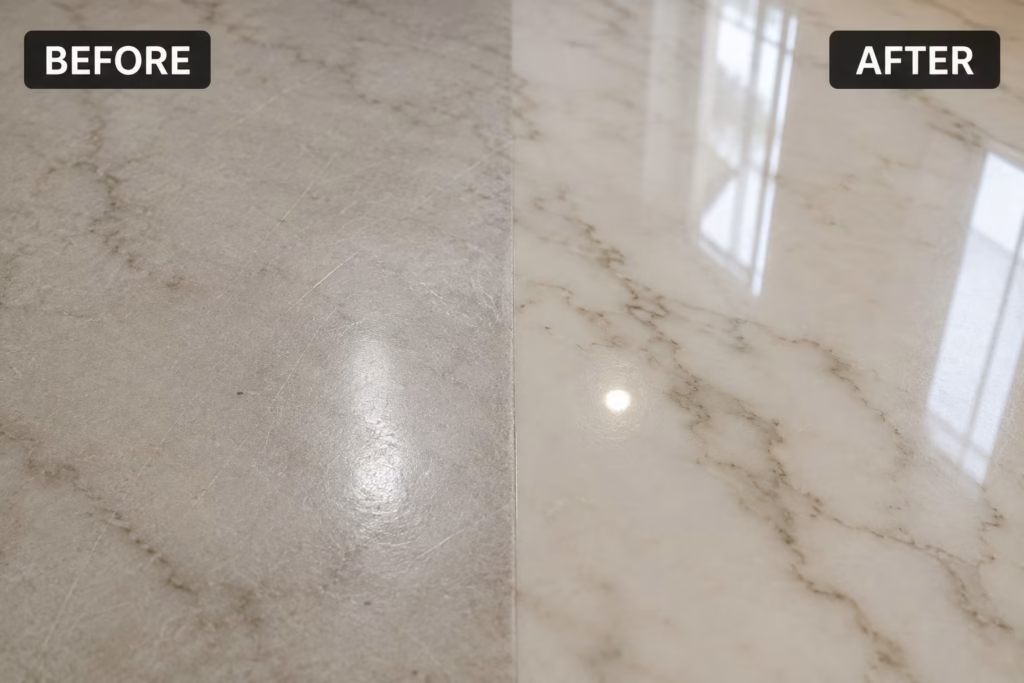
Diwali cleaning always starts the same way — you scrub the whole house, hang the lights, put out the diyas, and then you look down. The floor looks flat. Dull. Not the mirror shine you remember.
Good news: most of that shine is still there. It’s just hidden under a film of dirt, hard-water marks, or the wrong cleaner used one too many times. You usually don’t need a full re-polish. You need the right method.
Here’s how to bring marble and tile floors back to life before the guests arrive — the simple way, at home, without wrecking your marble in the process.

Why Floors Lose Their Shine
Before you fix it, it helps to know what’s actually dulling the floor:
- A greasy film from mopping with too much cleaner (residue builds up and traps dust).
- Hard-water marks — that cloudy white haze, especially near entrances and washrooms.
- Etching on marble — tiny dull patches where something acidic touched the stone.
- Worn polish on old marble that’s seen years of foot traffic.
- Dirty grout lines that make even clean tiles look tired.
Fix the right cause and the shine comes back fast.
Marble and Tile Are Not the Same — This Matters
This is the one thing most people get wrong at Diwali. They grab one bottle of “floor cleaner” and use it on everything.
Marble is natural stone. It’s soft, and it reacts to acids. Vitrified and ceramic tiles are man-made and much tougher. What’s safe on tiles can permanently damage marble.
| Marble (natural stone) | Vitrified / Ceramic tiles | |
|---|---|---|
| Toughness | Soft, scratches and etches easily | Hard, very durable |
| Reacts to acid? | Yes — dulls on contact | No |
| Needs sealing? | Yes, over time | No |
| Safe cleaner | pH-neutral only | Mild all-purpose is fine |
| Biggest enemy | Lemon, vinegar, acidic cleaners | Soap film buildup |
So we’ll do marble and tiles separately. Skip to whichever you have.
Part 1: How to Make Marble Floors Shine
Marble shine comes from a smooth, polished surface reflecting light. Anything that roughens or films over that surface kills the shine.
Step 1: Clear and dust first
Move the mats and light furniture. Dry-mop or sweep the whole floor. Grit left on marble acts like sandpaper under your mop — you’ll scratch in fine swirls without even seeing it.
Step 2: Wash with a pH-neutral cleaner only
Use a pH-neutral stone cleaner, or a few drops of mild dish soap in warm water. Mop lightly, then go over it again with clean water to lift any residue. Wring the mop well — marble hates standing water.
That’s it for daily and pre-Diwali cleaning. If your marble is only dull from dirt, this alone often brings back most of the shine.
Step 3: Tackle dull etch marks
See faint cloudy patches that don’t wipe away? That’s etching — the acid dissolved a tiny layer of the stone. Regular cleaning won’t fix it.
For light etching, a marble polishing powder (tin-oxide or cerium-oxide based) buffed over the spot with a damp cloth can restore the shine. Work the small area, wipe clean, and check. For deep or widespread dullness, that’s a job for a professional (more below).
Step 4: Dry and buff
Dry the floor with a clean microfibre cloth. Buffing as it dries is what brings back that reflective, glassy finish. Air-drying leaves streaks and water marks.
Step 5: Seal it (if it’s overdue)
A stone sealer soaks in and helps marble resist stains and water marks. It doesn’t add shine on its own, but it protects the shine you just restored. If water no longer beads on your marble and instead darkens into it, it’s time to reseal. Once a year is a good rhythm.
For stubborn spots and stains before you polish, our guide on how to remove stains from marble walks through the safe way to lift them without dulling the finish.
What to NEVER use on marble
| Safe on marble ✅ | Never use on marble ❌ |
|---|---|
| pH-neutral stone cleaner | Vinegar or lemon |
| Mild dish soap + water | Acidic bathroom / tile cleaners |
| Soft microfibre cloth | Harsh scouring powder |
| Stone polishing powder | Steel wool or hard scrubbers |
| Stone sealer | Bleach on coloured marble |
That lemon-and-vinegar “natural cleaning” advice you see online? It’s fine for many surfaces. On marble it’s a mistake — it etches on contact and leaves permanent dull marks.
When to call a professional
If your marble is deeply worn, scratched all over, or dull no matter what you do, home polishing won’t be enough. Professionals use diamond polishing and crystallisation to grind and re-shine the surface to a mirror finish. It’s worth it for old floors — and best booked a week or two before Diwali, not the night before.
Part 2: How to Make Tile Floors Shine
Vitrified and ceramic tiles are tougher, so the problem is almost never the tile itself. It’s buildup — cleaner residue, greasy film, and grimy grout dulling the whole look.
Step 1: Sweep, then wash hot
Sweep or vacuum first. Then mop with hot water and a small amount of mild floor cleaner. Hot water cuts grease far better than cold. Go easy on the cleaner — more soap means more film, not more shine.
Step 2: Strip the film
If tiles look cloudy or feel slightly sticky, that’s old residue. Mop once with your cleaner, then mop a second time with plain clean water to rinse it all off. This one extra rinse makes a bigger difference than any fancy product.
For a heavier haze, a mild vinegar-and-water mix works well on ceramic and vitrified tiles (not on marble) to cut through film and hard-water marks. Rinse after.
Step 3: Clean the grout lines
Clean tiles with dark grout still look dirty. The grout is what your eye reads as “tired.” A quick scrub of the joint lines lifts the whole floor. Our full method is here: how to clean grout.
Step 4: Dry-buff for shine
Wipe the floor dry with a microfibre cloth or a dry mop. On glossy vitrified tiles, this buffing step is what brings back the reflective finish and stops streaks.
Not sure what your tiles are? Our vitrified vs ceramic tiles guide explains the difference and how each one handles cleaning.
Your Quick Pre-Diwali Floor Plan
Short on time? Match the effort to how much shine you need:
| If you have… | Do this |
|---|---|
| An hour | Sweep, mop with the right cleaner, rinse, dry-buff |
| An afternoon | Above + clean grout lines + tackle etch/haze spots |
| A week’s notice | Above + reseal marble, or book professional polishing |
Common Mistakes to Avoid
- Using one cleaner for everything. Marble and tiles need different care.
- Too much soap. Residue builds film and dulls the floor over time.
- Skipping the rinse. The second plain-water pass is where the shine comes from.
- Acidic cleaners on marble. Instant, permanent etching.
- Letting the floor air-dry. Water marks and streaks. Always buff dry.
- Leaving grout dirty. Clean tiles still look dull with grimy joints.
The Bottom Line
Most floors don’t need re-polishing before Diwali — they need the right clean. For marble, stick to pH-neutral cleaners, buff dry, spot-treat etch marks with polishing powder, and reseal if it’s due. For tiles, strip the film with a hot-water wash and a proper rinse, clean the grout, and buff dry.
Get the method right and your floors will catch every diya’s light the way they’re meant to. If the marble is too far gone, book a professional polish early — it’s the one job you don’t want to leave for the last evening.
Frequently Asked Questions
How can I make my marble floor shine at home? Sweep off grit, mop with a pH-neutral cleaner, rinse with clean water, and buff dry with a microfibre cloth. For dull etch marks, use a marble polishing powder on the spot. Never use vinegar or lemon.
Why does my marble floor look dull? Usually etching from acidic cleaners, hard-water haze, cleaner residue, or worn polish from years of foot traffic. Identify the cause first — dirt film cleans off, but etching needs polishing powder or a professional.
Can I use vinegar to clean marble floors? No. Vinegar is acidic and etches marble on contact, leaving permanent dull patches. Use vinegar only on ceramic or vitrified tiles, never on marble or other natural stone.
How do I make my tiles shine like new? Sweep, mop with hot water and a little mild cleaner, then rinse with plain water to remove all film. Clean the grout lines and buff the floor dry. The rinse-and-dry step is what restores the shine.
How do I get the white cloudy haze off my floor? On tiles, that haze is usually hard-water or soap film — a diluted vinegar rinse followed by clean water clears it. On marble, do not use vinegar; use a pH-neutral cleaner, and treat any dull etch marks with polishing powder.
What’s the best way to clean floors before Diwali? Start early, clear the floors, and match the cleaner to the surface — pH-neutral for marble, mild all-purpose for tiles. Clean the grout, buff everything dry, and book professional marble polishing a week ahead if the floor needs it.
Does a marble floor need polishing every year? Not always. Regular pH-neutral cleaning keeps most marble bright. Full diamond polishing is only needed when the surface is genuinely worn or scratched — often every few years, depending on traffic. Resealing yearly is the more common upkeep.
Can I use a normal floor cleaner on marble? Only if it’s clearly labelled pH-neutral or stone-safe. Many general and bathroom cleaners are acidic and will dull marble. When in doubt, mild dish soap in warm water is the safer choice.
