
You’ve just had tiles laid, everything looks great, and someone — the tiler, a neighbour, a video online — tells you to go and seal the grout. Or maybe your grout has slowly turned grey and grimy and now you’re wondering if sealing would’ve stopped it.
So: do you actually need to seal grout?
Here’s the honest answer — it depends entirely on what grout you have. If it’s ordinary cement-based grout, yes, you should seal it, especially anywhere that gets wet. If it’s epoxy grout, no — it’s already waterproof and sealing it does nothing.
That single fact saves a lot of people a lot of wasted effort. Most articles skip it and just tell you to seal everything. Let’s do this properly instead.
Why grout needs sealing in the first place
The tiles aren’t the problem. Good tiles are dense and shrug off water and stains all day. The weak point is the lines between them.
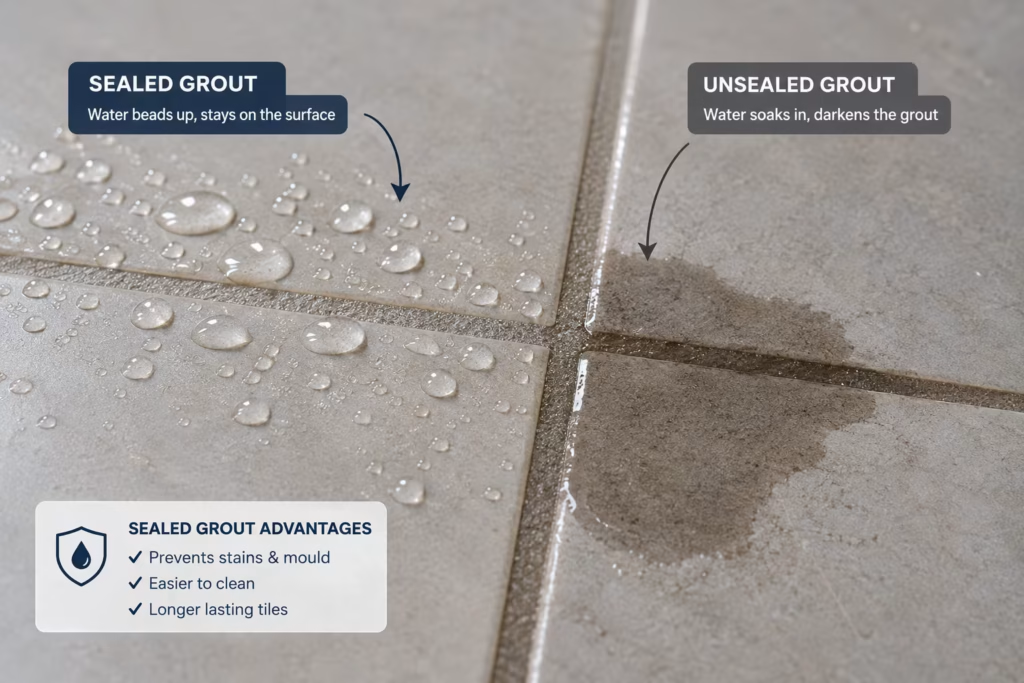
Standard cement grout is porous — think of it like a very fine sponge. Water, coffee, oil, soap scum and general grime soak straight into it. That’s why grout darkens over time, why it stains in a kitchen, and why it grows mould in a shower.
Sealing fills those tiny pores so liquids sit on top long enough to be wiped away instead of soaking in. It doesn’t make grout indestructible. It just buys you time — and time is exactly what stops staining and mould from setting in.
How to tell if your grout even needs sealing
Before you buy anything, do the water-drop test. It takes ten seconds and settles the question.
Drip a few drops of water onto the grout line and wait a minute.
- If the water beads up or sits on top — your grout is either sealed or non-porous. Leave it alone.
- If the water soaks in and the grout darkens — it’s porous and unsealed. Seal it.
Do this on new cement grout (once it’s cured) and on old grout you’re not sure about. It’s the most reliable way to know, better than guessing from the look.
Which grouts need sealing — and which don’t
This is the part that matters most, so here it is plainly.
| Grout type | Seal it? | Why |
|---|---|---|
| Cement grout (sanded) | Yes | Porous — absorbs water and stains |
| Cement grout (unsanded) | Yes | Also porous, same reason |
| Epoxy grout | No | Already non-porous and waterproof |
| Ready-mixed urethane / pre-sealed grouts | Usually no | Made to resist water without a sealer — check the bag |
If you’re not sure which type you have — or you’re choosing grout for a new job and weighing this up — our guide to epoxy grout vs cement grout breaks down the differences, including why epoxy costs more up front but skips the sealing routine forever.
The short version: cement grout is cheaper but needs sealing and re-sealing. Epoxy costs more but you never seal it. That trade-off is really what “do I need to seal grout?” comes down to.
The two kinds of grout sealer
If you’ve decided you need one, you’ll run into two types. They’re not the same thing.
Penetrating (impregnating) sealer soaks into the grout and blocks the pores from the inside. It doesn’t change how the grout looks or feels — no shine, no film. This is the one you want for most jobs, and it’s the safest all-rounder for floors and wet areas.
Membrane (surface) sealer sits on top as a thin coating. It can add a slight sheen and works on some grouts, but it doesn’t suit every situation and can peel if used in the wrong place. Handy in specific cases, but penetrating sealer is the default recommendation.
When in doubt, buy a penetrating sealer. It’s the forgiving choice.
Where sealing actually matters
Not every grout line needs the same attention. Prioritise the places that get wet and dirty:
- Showers and bathroom walls/floors — top priority. Constant moisture is exactly what unsealed cement grout hates.
- Kitchen backsplash and floor — grease, food splashes and spills stain grout fast here.
- Entryways and high-traffic floors — dirt gets ground in and darkens the lines.
Where it matters less: a dry bedroom floor or a low-use wall. Still worth doing if it’s cement grout, but it won’t wear out nearly as quickly.
When you don’t need to bother
To be clear, because over-sealing is a real thing people do:
- You have epoxy grout. It’s sealed by nature. Adding a sealer on top achieves nothing and can leave a hazy residue.
- You have a pre-mixed “no-seal” grout. Check the label — many modern ready-to-use grouts are made to skip this step.
- Your water-drop test beads up. The grout is already protected. Re-sealing before it’s needed just wastes product.
Sealing is protection for porous grout, not a ritual for every floor in the house.
How often should you re-seal?
Sealer wears off. How fast depends on where it is and how hard the area works.
As a rough guide:
- Busy wet areas (showers, kitchen floors) — expect to re-seal roughly once a year.
- Lighter-use floors and walls — every couple of years is usually plenty.
Don’t rely on the calendar, though. Just run the water-drop test every so often. The moment water stops beading and starts soaking in, it’s time to reseal. That’s a far better signal than a fixed date.
How to seal grout: the basic steps
If you’re doing it yourself, the process is simple — the results live or die on prep.
- Wait for new grout to cure. Fresh grout needs to dry out fully first — usually two to three days, but check the bag. Seal too early and you trap moisture inside.
- Clean the grout thoroughly. Sealer locks in whatever’s there, so any dirt or staining gets sealed in. Get the lines properly clean first — our how to clean grout guide covers getting grimy or discoloured grout back to white before you start.
- Let it dry completely. Damp grout won’t absorb sealer. Give it time.
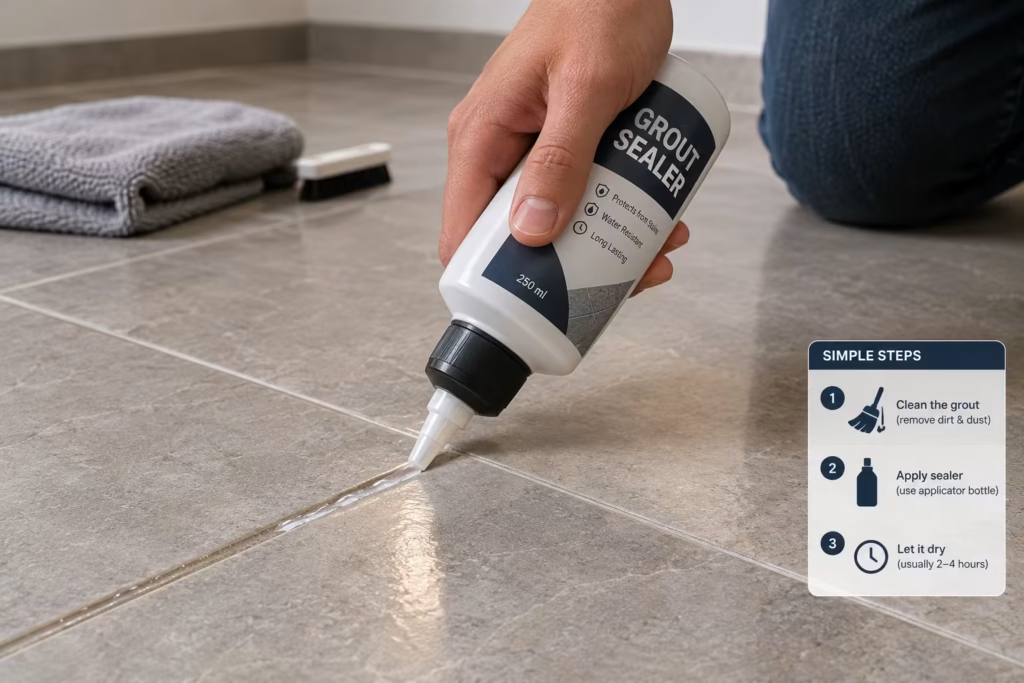
- Apply the sealer to the grout lines. Use an applicator bottle, small brush or roller and work along the joints, keeping it on the grout as much as you can.
- Wipe excess off the tiles. If any sealer lands on glossy or polished tile, wipe it before it dries or it can leave a haze.
- Let it cure, then test. Give it the time stated on the bottle, then do the water-drop test to confirm it’s working. A second coat helps in wet areas.
Ventilate the room, and don’t use the area until it’s fully cured.
Signs your seal has worn off
Watch for these — they mean it’s time to reseal:
- Water no longer beads on the grout
- The grout darkens quickly when it gets wet
- Stains are appearing where they didn’t before
- The lines are harder to get clean than they used to be
Catch it early and a quick reseal sorts it. Ignore it and you’re back to scrubbing set-in stains.
Bottom line
Do you need to seal grout? Only if it’s porous.
Cement grout — yes. It soaks up water and stains, so sealing it (and re-sealing once a year or so in wet areas) is what keeps it clean and mould-free. Use a penetrating sealer, clean the grout first, and let everything dry.
Epoxy grout — no. It’s already waterproof. Sealing it wastes your time and can leave a residue.
The whole decision starts with knowing your grout type, and the water-drop test settles any doubt in ten seconds. Get that right and you’ll never seal grout you didn’t need to — or leave grout unsealed that quietly needed it.
Frequently Asked Questions
Do you need to seal grout in a shower? If it’s cement grout, yes — a shower is the wettest, hardest-working grout in the house, so seal it and reseal it roughly once a year. If it’s epoxy grout, no; it’s already waterproof and needs nothing.
How do I know if my grout is already sealed? Drip a few drops of water onto the grout and wait a minute. If it beads on top, it’s sealed (or non-porous). If it soaks in and darkens, it’s unsealed and porous, so it needs sealing.
Does epoxy grout need sealing? No. Epoxy grout is non-porous and waterproof by design, so a sealer does nothing useful and can leave a hazy film. Sealing is only for cement-based grout.
How long after grouting should I seal it? Let new cement grout cure fully first — usually two to three days, though it varies, so check the manufacturer’s instructions. Sealing too early traps moisture inside the grout.
How often should you reseal grout? Busy wet areas like showers and kitchen floors, roughly once a year. Lighter-use areas, every couple of years. The reliable test is water: once it stops beading and starts soaking in, reseal.
What kind of sealer should I use on grout? For most jobs, a penetrating (impregnating) sealer. It soaks into the grout without changing how it looks and suits floors and wet areas well. Surface/membrane sealers exist but aren’t the safe default.
Can you seal grout that’s already stained or dirty? You can, but you shouldn’t — the sealer locks in whatever’s there, including the stains. Clean the grout thoroughly and let it dry first, then seal.
Do you have to seal grout at all? Only cement-based grout, and mainly in areas that get wet or dirty. Epoxy and many ready-mixed “no-seal” grouts don’t need it. Dry, low-use cement grout benefits from sealing but wears out far more slowly.
